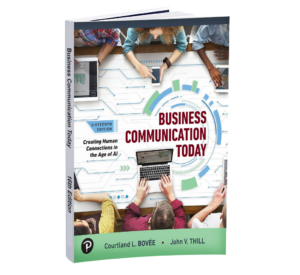
Methods of Teaching Business Communication provides unique insights into how to teach your business communication or business writing course more easily and successfully.

Beyond Basic Bots: Kickfin’s AI Strategy Redefines Business Communication

AI Strategy n the fast-paced world of hospitality, the end of a long shift traditionally meant one more tedious task: tip distribution. Enter Kickfin, an Austin-based startup that's transforming this nightly ritual with a seamless digital solution. Their platform enables instant tip payments directly to employees' bank accounts, eliminating the safety risks of cash handling and the frustrations of delayed prepaid card systems.


But Kickfin's innovation extends beyond just digital payments. Under the leadership of VP of Operations Larisa Thomas, the company has embraced AI technology to solve another critical challenge in the hospitality industry: 24/7 customer support. Recognizing that restaurants often need assistance during unconventional hours, Kickfin implemented Forethought's GenAI-based support system to provide round-the-clock assistance without the operational complexity of staffing night shifts.


What makes Thomas's approach particularly noteworthy is her perspective on AI implementation. Rather than viewing it merely as a cost-cutting measure, she sees it as a pathway to service enhancement. The AI system doesn't just process more tickets faster – it handles customer interactions with consistent patience and professionalism, even in high-stress situations. This approach has led to thousands of successfully resolved support queries, with the system becoming more sophisticated over time.


Thomas's vision for AI in customer service challenges traditional metrics. Instead of focusing solely on quantitative measures like call volume, she emphasizes the importance of emotional intelligence and customer satisfaction. This holistic approach reflects a broader truth about technology in business: the goal isn't just to work faster, but to work better, creating more value for both employees and customers.


NOTE: This is an extract of the chapter-opening vignette that appears exclusively in Chapter 10 of Business Communication Today, 16th Edition, by Bovee and Thill (Pearson).


Business communication instructors and their students can step into the future of business communication with the new, groundbreaking 16th edition of Business Communication Today by Courtland Bovee and John Thill—where artificial intelligence meets time-tested principles. For the first time, artificial intelligence (AI) is seamlessly integrated into every chapter, making this the first business communication textbook on the market to offer comprehensive AI coverage.


Neuroscience Meets Business Communication Education


This text integrates research-based principles from neuroscience to enhance learning.  This innovative approach aligns with how the brain learns, retains, and applies information, transforming how business communication is taught and mastered. Imagine students who don’t just memorize concepts but confidently apply them. With engagement soaring and retention deepening, your classroom is where communication skills are mastered for life. Give your students the neuroscience advantage. Join leading colleges and universities already seeing remarkable results with our neuroscience-based approach.
 

Read more

From Complex to Clear: A Data Expert’s Guide to Better Presentations

A Data Expert's Guide Cole Nussbaumer Knaflic


At the intersection of mathematics and business, Cole Nussbaumer Knaflic discovered her calling: helping people transform complex data into compelling stories. With credentials spanning applied mathematics and business administration, Knaflic honed her expertise through roles in banking, private equity, and Google's People Analytics team before founding Storytelling with Data, where she now teaches others the art of data presentation.


Throughout her career, Knaflic has observed a persistent challenge in business presentations: slides that fail to convey their intended message. Despite presenters having valuable insights to share, their points often get lost in a maze of excessive information and competing visual elements. The problem isn't just poor design – it's the fundamental disconnect between what presenters want to say and what their audiences actually understand.


Her solution is refreshingly straightforward: embrace simplicity and maintain unwavering focus. Each slide should serve a single, clear purpose, stripped down to its essential components. When presenting complex comparisons or temporal developments, Knaflic advocates for a methodical approach: using animation and narrative to build understanding piece by piece.


This step-by-step methodology transforms data presentation from an information dump into a guided journey. Rather than overwhelming audiences with multiple points simultaneously, presenters can lead them through a carefully constructed narrative path. It's an approach that recognizes a fundamental truth about human comprehension: people absorb information more effectively when it's presented in digestible segments rather than as a complete picture all at once.


In essence, Knaflic's philosophy suggests that the art of data presentation isn't about showing everything you know – it's about showing exactly what your audience needs to understand, one clear insight at a time.


NOTE: This is an extract of the chapter-opening vignette that appears exclusively in Chapter 17 of Business Communication Today, 16th Edition, by Bovee and Thill (Pearson).


Business communication instructors and their students can step into the future of business communication with the new, groundbreaking 16th edition of Business Communication Today by Courtland Bovee and John Thill—where artificial intelligence meets time-tested principles. For the first time, artificial intelligence (AI) is seamlessly integrated into every chapter, making this the first business communication textbook on the market to offer comprehensive AI coverage.


Neuroscience Meets Business Communication Education


This text integrates research-based principles from neuroscience to enhance learning.  This innovative approach aligns with how the brain learns, retains, and applies information, transforming how business communication is taught and mastered. Imagine students who don’t just memorize concepts but confidently apply them. With engagement soaring and retention deepening, your classroom is where communication skills are mastered for life. Give your students the neuroscience advantage. Join leading colleges and universities already seeing remarkable results with our neuroscience-based approach.

Read more

The Art of the Corporate Apology: Lessons from Apple’s iPad Ad Backlash

Apple's iPad Ad Backlash
In an era where AI and technology increasingly intersect with creative expression, Apple's "Crush" commercial for the iPad Pro struck a particularly sensitive nerve. The visually arresting ad featured various symbols of artistic creation – from musical instruments to books – being systematically destroyed and compressed into an iPad, all while Sonny and Cher's "All I Ever Need Is You" provided an ironically cheerful soundtrack.


The backlash was swift and severe. Actor Hugh Grant led a chorus of criticism, with creators across various disciplines viewing the ad as tone-deaf at best and hostile at worst. The timing couldn't have been more unfortunate, coinciding with widespread anxiety about AI's impact on creative industries. For a company long celebrated as a champion of creators, the message landed like a betrayal.


However, what emerged as the most instructive aspect of this incident was Apple's response. Tor Myhren, the company's vice president of marketing communications, delivered a masterclass in corporate apology. Instead of defending the ad or suggesting critics had misunderstood its message, he acknowledged the misstep directly: "We missed the mark with this video, and we're sorry." His response reinforced Apple's commitment to supporting creators while taking full responsibility for the miscalculation.


The incident serves as a compelling case study in both marketing missteps and effective crisis management. In an age where companies must navigate increasingly complex cultural conversations about technology and creativity, Apple's experience demonstrates that sometimes the most powerful response is also the simplest: a straightforward acknowledgment of error and a genuine apology.


NOTE: This is an extract of the chapter-opening vignette that appears exclusively in Chapter 16 of Business Communication Today, 16th Edition, by Bovee and Thill (Pearson).


Business communication instructors and their students can step into the future of business communication with the new, groundbreaking 16th edition of Business Communication Today by Courtland Bovee and John Thill—where artificial intelligence meets time-tested principles. For the first time, artificial intelligence (AI) is seamlessly integrated into every chapter, making this the first business communication textbook on the market to offer comprehensive AI coverage.


Neuroscience Meets Business Communication Education


This text integrates research-based principles from neuroscience to enhance learning.  This innovative approach aligns with how the brain learns, retains, and applies information, transforming how business communication is taught and mastered. Imagine students who don’t just memorize concepts but confidently apply them. With engagement soaring and retention deepening, your classroom is where communication skills are mastered for life. Give your students the neuroscience advantage. Join leading colleges and universities already seeing remarkable results with our neuroscience-based approach.


Read more

Mastering Business Communication: Lessons from Airbnb’s Success

Lessons from Airbnb's Success

Airbnb's communication strategies offer insights for businesses to improve messaging and customer relationships.


Master Airbnb's Communication Strategies to Boost Business Success


In today's fast-paced, competitive marketplace, effective communication is the key to standing out and achieving success. Airbnb, a pioneer in the hospitality industry, has built a global community of travelers and hosts through its masterful communication strategies. This article delves into Airbnb's approach and provides actionable insights for businesses across all sectors seeking to enhance their messaging and customer relationships.


1. Humanizing the Brand: The Power of Authentic Storytelling


Airbnb's communication strategy is rooted in authentic storytelling. By sharing personal experiences from both hosts and guests, the platform creates a deep emotional connection with its audience. These real-life narratives go beyond generic marketing messages, showcasing the human element and fostering trust.
Key Takeaway: Replace impersonal marketing with authentic stories. Share customer success stories, employee testimonials, and behind-the-scenes glimpses into your company's journey to create a genuine connection with your audience.


2. Building a Thriving Community: Fostering Engagement


Airbnb understands the power of community. They actively engage with users through social media, respond promptly to feedback, and create a sense of belonging within their user base. This proactive approach transforms customers into brand advocates and fosters long-term loyalty.


Key Takeaway: Open communication channels are essential. Be responsive to comments, actively seek feedback through surveys and polls, and develop interactive content like contests and online communities to build a vibrant and engaged user base.


3. Consistent Messaging: Reinforcing Brand Identity


Consistency is key to building a strong brand. Airbnb maintains a cohesive voice and message across all communication platforms – website, app, social media, and even customer service interactions. This uniformity strengthens brand identity and instills trust in users.


Key Takeaway: Ensure your brand's voice, tone, and values are reflected consistently across all communication channels. This consistency creates a recognizable brand experience and fosters trust among your audience.


4. Visual Storytelling: Captivating the Imagination


Airbnb leverages high-quality visuals to effectively communicate its brand. Stunning images of unique properties and local experiences captivate potential customers and bring the Airbnb experience to life, inspiring travel and fostering a sense of wonder.


Key Takeaway: Invest in high-quality visuals that showcase your products, services, and brand story. Compelling imagery can significantly enhance your communication efforts and leave a lasting impression on your audience.


5. Building Trust: Embracing Transparency


Transparency is fundamental to Airbnb's business model. By providing detailed property descriptions, honest reviews, and clear pricing, the platform establishes trust with its users. This open communication builds credibility and reduces uncertainty, fostering a sense of security for both hosts and guests.


Key Takeaway: Prioritize transparency in all aspects of your communication. Be upfront about pricing, product details, company policies, and potential drawbacks. Clear and honest communication sets realistic expectations and builds trust over time.


6. Personalized Experiences: Valuing Individuality


Airbnb's personalized approach sets it apart from its competitors. Utilizing user data, the platform tailors recommendations and communication to individual preferences, making customers feel valued and understood. This personalized touch enhances customer satisfaction and fosters loyalty.


Key Takeaway: Utilize customer data ethically and effectively to personalize communications. Offer tailored recommendations, targeted content, and relevant offers based on individual needs and preferences.


Lessons from Airbnb's Success

Airbnb evolves communication with tech, embracing AI and platforms to engage audiences effectively.

7. Adapting to the Evolving Landscape: Staying Ahead of the Curve


Airbnb thrives on adaptation. The company constantly evolves its communication strategy, incorporating new technologies and platforms to reach its audience. From optimizing for mobile to leveraging AI-powered chatbots, Airbnb ensures it meets customers where they are.


Key Takeaway: Stay informed about emerging communication technologies and platforms. Be prepared to adapt your strategy and embrace new tools to reach your audience effectively across various channels.


8. Amplifying Authenticity: Leveraging User-Generated Content


Airbnb effectively integrates user-generated content into its communication strategy. By showcasing real reviews, photos, and experiences shared by users, the platform adds authenticity and builds trust. This approach fosters a sense of community and encourages user engagement.


Key Takeaway: Encourage and highlight user-generated content in your communication efforts. This not only provides social proof but also engages your community and creates a sense of ownership among users.


Elevating Your Business Communication for Lasting Success


Airbnb's success demonstrates the transformative power of effective business communication. By embracing authentic storytelling, fostering community engagement, maintaining consistent messaging, leveraging visual appeal, prioritizing transparency, personalizing interactions, adapting to changing channels, and utilizing user-generated content, businesses can create a powerful communication strategy that fosters strong customer relationships and drives long-term growth.


Actionable Tips for Your Business


Develop a content calendar to ensure consistent storytelling across channels


Implement a feedback system to encourage customer engagement and improve services


Conduct regular brand audits to ensure consistent messaging and visual identity


Utilize data analytics to personalize customer interactions and improve communication effectiveness


Stay up-to-date with the latest communication technologies and trends to stay ahead of the curve


By adopting and adapting these proven tactics, businesses can elevate their communication efforts, create lasting relationships with their audience, and achieve remarkable success.


Certainly. Here's a similar approach using Airbnb as the case study, targeted at college instructors of business communication:


Airbnb's Lessons for the Classroom: How Excellence in Business Communication Bridges Theory and Practice


As instructors, we're constantly seeking real-world examples to illustrate key principles in our field. Airbnb's remarkable success offers a compelling case study that aligns exceptionally well with core concepts in business communication. Here's how you can incorporate Airbnb's strategies into your curriculum:


1. Authentic Storytelling and Brand Humanization


Lesson Plan Idea: Have students analyze Airbnb's marketing campaigns and social media content. Compare early messaging to current strategies, discussing how they exemplify authentic storytelling and brand humanization.


Key Concept: Airbnb's growth from a startup to a global brand (valued at $47 billion in 2023) demonstrates the tangible results of effective storytelling and communication strategies.


2. Community Building and User Engagement


Class Activity: Examine Airbnb's social media interactions and community forums. Discuss how their communication style embodies principles of active listening, responsiveness, and community fostering.


Discussion Topic: How can Airbnb's community-building strategies be applied to other industries or traditional businesses?


3. Consistent Brand Messaging


Case Study: Analyze Airbnb's communication across various platforms (website, app, social media, customer service). Identify how they maintain a consistent voice and message.


Student Exercise: Develop a cross-platform communication plan for a fictional company, applying Airbnb's principles of consistency.


4. Visual Communication


Analysis Project: Have students evaluate Airbnb's use of visuals in their marketing and platform. How do these images contribute to the brand story and user experience?


Critical Thinking: Discuss the role of visual storytelling in modern digital communication.


5. Trust-Building Through Transparency


Research Assignment: Ask students to examine Airbnb's approach to reviews, pricing, and conflict resolution.


How does this transparency contribute to trust-building?


Group Project: Develop a transparency-focused communication strategy for a hypothetical service-based business, inspired by Airbnb's approach.


6. Personalization in Communication


Seminar Discussion: Explore how Airbnb uses data to personalize user experiences and communication. How might other industries adapt these personalization strategies?


Guest Speaker Idea: Invite a local tech entrepreneur to discuss how they've implemented personalized communication in their business.


7. Adapting to New Communication Channels


Case Study: Examine Airbnb's evolution from website-based to mobile-first communication. Analyze their integration of AI chatbots and other emerging technologies.


Student Project: Propose a communication strategy for Airbnb (or a similar company) to effectively leverage a new or emerging communication platform.


8. Leveraging User-Generated Content


Lesson Plan Idea: Analyze Airbnb's integration of user reviews, photos, and experiences into their marketing and platform. Discuss the benefits and potential challenges of this approach.


Group Activity: Develop a campaign that encourages and utilizes user-generated content for a fictional brand.


Use Airbnb to Teach Strategic Communication.


By integrating Airbnb's real-world examples into your course, you can bring textbook concepts to life, making them more relatable and memorable for students. This approach not only enhances understanding but also demonstrates the universal applicability of effective business communication principles across various industries.


Remember, the goal is to inspire students to view communication as a strategic tool for business success. Airbnb's journey from a small startup to a global hospitality giant provides a powerful narrative to achieve this objective.


We encourage you to adapt these ideas to fit your specific course needs and welcome any innovative approaches you develop using this case study.


Excellence in Business Communication: A Textbook Designed for Your Students’ Success


The article "Mastering Business Communication: Lessons from Airbnb's Success" highlights the importance of effective communication in building a thriving business. Excellence in Business Communication perfectly aligns with this message by providing students with the skills and knowledge needed to excel in today's fast-paced business environment.


This textbook emphasizes the following key principles that are also reflected in Airbnb's communication strategy:


Clear and concise writing: Excellence in Business Communication teaches students how to craft clear, concise, and engaging messages that resonate with their audience, just like Airbnb's effective use of storytelling.


Effective verbal and nonverbal communication: The textbook covers the importance of verbal and nonverbal cues in communication, mirroring Airbnb's focus on creating a sense of community and belonging through its communication channels.


Audience analysis and adaptation: Excellence in Business Communication stresses the need to understand and adapt to different audiences, a principle that Airbnb exemplifies through its personalized approach to customer communication.


Technology-enabled communication: The textbook explores the role of technology in business communication, reflecting Airbnb's use of emerging technologies to stay ahead of the curve.


By using Excellence in Business Communication as a learning resource, students can develop the skills and knowledge needed to create effective communication strategies that drive business success. As Airbnb's story demonstrates, mastering business communication is essential for building strong relationships, driving loyalty, and achieving long-term growth.


Read more

How to Avoid Collective Blind Spots in Teaching Business Communication

Teaching Business Communication


Are you unknowingly holding your students back? Discover how to overcome the common blind spots in business communication instruction— from outdated methods to overlooked skills like storytelling and digital literacy— and equip your students with the tools they need to succeed in today’s evolving business world.

In the ever-evolving world of business, effective communication is a key driver of success. Yet, despite advancements in communication technologies and practices, many instructors of business communication still rely on outdated approaches, often without realizing it. These collective blind spots—ranging from an overemphasis on traditional methods to neglecting key skills like storytelling, digital literacy, and cross-cultural communication—can hinder students from developing the well-rounded abilities needed to thrive in today's dynamic business landscape.


This article highlights 30 common blind spots in teaching business communication, explaining why they exist and offering actionable solutions to overcome them. From integrating visual storytelling and digital tools to addressing power dynamics, ethical communication, and personal branding, these insights aim to help educators create more practical, relevant, and engaging curricula. By addressing these blind spots, instructors can better prepare students to meet the demands of modern business, equipping them with the versatile communication skills necessary for success in a variety of professional settings.


1. Overemphasis on Traditional Communication Methods


Why It Exists: Many instructors were trained using conventional formats (e.g., memos, formal letters) and may unconsciously prioritize them over modern communication tools.


How to Address: Incorporate contemporary communication methods, such as video conferencing and social media messaging, into the curriculum to reflect current business practices.


2. Neglect of Visual Communication


Why It Exists: Business communication has historically focused on writing and speaking, often ignoring the power of visual storytelling.


How to Address: Encourage the use of infographics, data visualizations, and presentation software to teach students how to convey messages visually.


3. Assuming Written Proficiency


Why It Exists: Instructors may assume students have mastered basic writing skills by the time they reach higher education, overlooking the varying levels of proficiency.


How to Address: Implement writing workshops or diagnostic assessments at the beginning of the course to gauge skill levels and tailor support where needed.


4. Lack of Cultural Awareness


Why It Exists: Instructors may unconsciously teach from a culturally homogenous perspective, assuming communication standards are universal.


How to Address: Introduce discussions and assignments on cross-cultural communication, emphasizing how diverse cultural backgrounds influence communication norms and preferences.


5. Underestimating Digital Literacy


Why It Exists: Older generations of instructors may assume that today’s students are “digital natives” and therefore proficient with all business-related technology.


How to Address: Provide training on tools like collaborative platforms (e.g., Slack, Microsoft Teams) and digital etiquette to ensure students are prepared for the modern workplace.


6. Siloed Approach to Communication


Why It Exists: The curriculum often treats different forms of communication—written, oral, visual—as separate silos rather than integrated components.


How to Address: Develop assignments that require students to integrate multiple forms of communication (e.g., a presentation that combines oral, written, and visual elements).


7. Overlooking Emotional Intelligence


Why It Exists: The traditional business communication curriculum tends to focus on content and form, overlooking the importance of emotional intelligence (EQ) in effective communication.


How to Address: Include lessons and activities focused on empathy, active listening, and managing emotions in workplace interactions.


8. Ignoring the Importance of Feedback


Why It Exists: Some instructors emphasize one-way communication (e.g., presentations) without teaching the value of soliciting and incorporating feedback.


How to Address: Create assignments where students practice giving and receiving constructive feedback to simulate real-world business environments.


9. Failure to Teach Persuasion Techniques


Why It Exists: The curriculum often emphasizes clarity and correctness but overlooks the importance of persuasion in business communication.


How to Address: Teach rhetorical techniques, emotional appeals, and argumentation strategies to help students craft persuasive business messages.


10. Neglect of Crisis Communication


Why It Exists: Many courses focus on routine business communication without preparing students for high-stakes, crisis communication scenarios.


How to Address: Incorporate case studies and simulations on how to handle communication during crises, such as PR disasters or corporate emergencies, to prepare students for unexpected challenges.


By addressing these blind spots, instructors can create a more holistic, relevant, and practical business communication curriculum that better prepares students for real-world challenges.


11. Overemphasis on Grammar and Syntax


Why It Exists: Many instructors prioritize grammatical accuracy, as it's traditionally been seen as a hallmark of professionalism.


How to Address: While grammar is important, shift some focus toward clarity, creativity, and audience engagement. Teach students how to adapt communication styles based on the situation, even if it involves breaking grammatical norms.


12. Limited Focus on Listening Skills


Why It Exists: Business communication classes often emphasize speaking and writing over listening, which is equally critical to effective communication.


How to Address: Incorporate active listening exercises, discussions, and peer feedback sessions to train students in this vital skill for professional interactions.


13. Failure to Address Power Dynamics in Communication


Why It Exists: Power structures in business communication—like hierarchy and authority—are often not discussed, even though they significantly influence how people communicate.

 

Teaching Business Communication

Help students master the art of adapting communication strategies to fit various workplace power dynamics. Incorporate case studies that teach them how to effectively communicate with superiors, collaborate with peers, and lead subordinates in real-world scenarios.

How to Address:


Teach students about how communication strategies need to adapt depending on the power dynamics in different workplace scenarios. Include case studies that focus on navigating communication with superiors, peers, and subordinates.


14. Overlooking Ethical Communication


Why It Exists: The focus tends to be on effective communication, but ethics in communication (e.g., transparency, honesty) is often sidelined.


How to Address: Integrate ethics into the curriculum, exploring how ethical dilemmas can arise in business communication and encouraging students to think critically about their responsibilities as communicators.


15. Insufficient Focus on Adaptability to Audience Needs


Why It Exists: Instructors may not emphasize the need for students to adapt their messages to different audiences, assuming a “one-size-fits-all” approach.


How to Address: Teach students audience analysis techniques and practice tailoring messages for different stakeholders, such as clients, colleagues, or executives.


16. Undervaluing Storytelling as a Communication Tool


Why It Exists: Business communication is often framed as transactional, leaving little room for storytelling, which can be a powerful persuasive tool.


How to Address: Encourage students to use storytelling techniques in their presentations and written assignments to make their messages more engaging and memorable.


17. Failure to Teach Communication in Remote Work Settings


Why It Exists: Traditional business communication teaching is still heavily focused on in-person interactions, even though remote work is increasingly common.


How to Address: Offer modules that focus on virtual communication tools, best practices for remote meetings, and maintaining professional relationships through digital channels.


18. Overreliance on Formal Communication Styles


Why It Exists: The curriculum often emphasizes formal communication styles, which may not reflect the informal, conversational tone used in many modern business environments.


How to Address: Introduce lessons on how to balance formality and informality based on context, particularly when communicating in digital and cross-cultural environments.


19. Underestimating the Role of Nonverbal Communication


Why It Exists: Business communication courses typically focus on verbal and written communication, with little emphasis on nonverbal cues.


How to Address: Incorporate lessons on body language, eye contact, tone of voice, and other nonverbal cues, particularly in professional settings like interviews and meetings.


20. Limited Integration of Social Media Communication


Why It Exists: Social media communication is often seen as less professional or relevant in the context of formal business settings.


How to Address: Recognize the importance of platforms like LinkedIn, Twitter, and even Instagram for business communication. Assign projects that require students to create professional social media content and engage with real-world business conversations.


Addressing these additional blind spots will help students become well-rounded communicators, equipped to handle the evolving demands of modern business environments.


21. Overemphasis on Formality


Why It Exists: Business communication courses often stress formality, assuming it's the standard across all contexts.


How to Address: Teach students how to adapt their tone and level of formality depending on the audience, purpose, and medium, focusing on both formal and informal business communication styles.


22. Neglecting Interpersonal Communication Skills


Why It Exists: Courses often prioritize technical communication skills (e.g., report writing) over interpersonal skills, which are essential in business settings.


How to Address: Incorporate role-playing and real-life scenarios that emphasize interpersonal dynamics, such as negotiation, conflict resolution, and collaboration.


23. Underestimating the Role of Social Media


Why It Exists: Many curricula still focus on traditional communication channels and overlook the widespread influence of social media in the business world.


How to Address: Include assignments and discussions about how social media is used for corporate branding, customer engagement, and crisis management, and teach students best practices for professional use.


24. Failure to Integrate Storytelling


Why It Exists: Business communication often focuses on facts, figures, and clarity, overlooking the persuasive and emotional power of storytelling.


How to Address: Teach students the art of storytelling as a tool for engaging audiences, making data relatable, and building compelling narratives in presentations, pitches, and marketing.


25. Insufficient Focus on Listening Skills


Why It Exists: There’s a tendency to concentrate on how students express themselves, often overlooking the importance of listening as a critical component of effective communication.


How to Address: Implement active listening exercises, encourage reflective listening practices, and assess students' ability to listen and respond thoughtfully in both written and verbal communications.


26. One-Size-Fits-All Communication Strategy


Why It Exists: Instructors may promote a standardized approach to communication, assuming the same strategies work in all business situations.


How to Address: Teach adaptability by exposing students to varied business contexts (e.g., small businesses, multinational corporations, startups) and having them practice tailoring their communication strategies accordingly.


27. Undervaluing Nonverbal Communication


Why It Exists: The curriculum often emphasizes spoken and written communication while giving minimal attention to nonverbal cues, which are critical in face-to-face and video interactions.


How to Address: Include lessons on body language, facial expressions, posture, and tone of voice, and integrate nonverbal communication assessments into presentations or group discussions.


28. Ignoring Ethical Communication Practices


Why It Exists: The focus tends to be on effective communication without thoroughly addressing the ethical dimensions, such as transparency, honesty, and corporate responsibility.


How to Address: Introduce ethical case studies, debates on communication dilemmas, and assignments that require students to analyze and propose ethical communication strategies in challenging business situations.


29. Lack of Emphasis on Real-Time Communication


Why It Exists: The curriculum tends to focus on polished, rehearsed communication forms like reports or presentations, while real-time communication (e.g., meetings, negotiations) is less explored.


How to Address: Include simulations of real-time business interactions, such as impromptu speaking, problem-solving in meetings, and live debates, to help students develop the ability to think and communicate quickly under pressure.


30. Overlooking Personal Branding and Online Presence


Why It Exists: Many courses focus solely on corporate communication, ignoring the importance of students developing their own professional online presence.


How to Address: Teach students the principles of personal branding, how to craft professional profiles on platforms like LinkedIn, and how to manage their digital footprint to enhance their career prospects.


By identifying and addressing these additional blind spots, instructors can create a more well-rounded curriculum that better prepares students to meet the diverse challenges of modern business communication.


Eliminating Blind Spots in Business Communication Instruction with Business Communication Today


Business Communication Today is an ideal textbook for addressing the collective blind spots commonly found in business communication instruction. This text goes beyond traditional methods, offering a comprehensive and modern approach that aligns with the evolving demands of today’s professional world.

One of the book’s standout features is its integration of contemporary communication tools, including social media, collaborative platforms, and visual communication strategies. By incorporating these elements, the text ensures that instructors move beyond outdated approaches that overemphasize traditional formats while neglecting digital literacy and visual storytelling—critical skills for modern professionals. Additionally, the text underscores the ethical complexities of digital communication, equipping students with the knowledge to navigate today’s technology-driven workplace responsibly.

Business Communication Today also places a strong emphasis on audience adaptation, cultural intelligence, and emotional awareness—areas often overlooked in standard curricula. Its in-depth coverage of cross-cultural communication and emotional intelligence prepares students to excel in diverse, globalized business environments where adaptability and empathy are essential.

Moreover, the textbook employs active learning strategies, including case studies, real-world scenarios, and interactive assignments that develop practical communication skills. These exercises encourage students to integrate written, oral, and visual communication effectively, fostering a well-rounded and applied approach to business communication.

By using Business Communication Today, instructors can ensure they are delivering a balanced, forward-thinking curriculum that addresses both foundational and emerging aspects of business communication—helping students develop the skills they need to thrive in today’s dynamic professional landscape.

Read more

An Instructor Quiz on AI’s Role in Digital, Social, and Visual Media

The rise of digital, social, and visual media has fundamentally transformed how businesses communicate with their audiences and build meaningful connections. To prepare students for success in this fast-paced and ever-evolving landscape, it’s essential that business communication textbooks address the critical skills needed to navigate these mediums effectively. From crafting impactful digital messages to leveraging social platforms and creating compelling visuals, today’s professionals require a robust foundation.


This quiz helps you evaluate whether your current textbook covers the essential AI-driven tools and strategies students need to succeed. Answer the following 20 “yes” or “no” questions to see how your textbook measures up in preparing students for the future of business communication.


1. Does your textbook explain how AI tools optimize email subject lines for engagement and clarity?  


2. Does your textbook show how AI automates email drafting and improves tone and readability?  


3. Does your textbook include how AI-driven messaging systems enhance collaboration and productivity?  


4. Does your textbook highlight how AI analytics help track and improve digital media performance?  


5. Does your textbook discuss how AI generates audience-specific digital content efficiently?  


6. Does your textbook explain how AI tools assist in creating, scheduling, and managing social media posts?


7. Does your textbook demonstrate how AI analyzes social media engagement metrics to refine strategies?  


8. Does your textbook include guidance on using AI for sentiment analysis in social media monitoring?  


9. Does your textbook show how AI supports A/B testing to evaluate and improve social media content?  


10. Does your textbook explore how AI tools enhance influencer outreach and campaign management?  


11. Does your textbook explain how AI generates visual content, such as infographics, tailored to audience needs?  


12. Does your textbook demonstrate how AI streamlines the creation of visually appealing slides and presentations?  


13. Does your textbook include examples of AI tools that assist with data visualization for reports and presentations?  


14. Does your textbook teach how AI can create culturally sensitive and inclusive visual content?  


15. Does your textbook explore the role of AI in simplifying video production for digital media?  


16. Does your textbook explain how AI tools improve accessibility with features like captions and alt text for visuals?  


17. Does your textbook discuss how AI identifies trends and patterns in social media data?  


18. Does your textbook highlight ethical considerations of using AI in social media and digital marketing?  


19. Does your textbook show how AI personalizes social media responses for customer engagement?  


20. Does your textbook provide case studies or examples of AI’s role in creating impactful digital, social, and visual media?  


If you answered “no” to any of these questions, it’s time to face reality: your textbook is out of date and failing to keep pace with today’s business communication demands.


In today’s fast-paced, technology-driven landscape, students require a textbook that not only keeps pace with innovation but empowers them to leverage AI as a transformative tool. Imagine the impact of an approach that seamlessly integrates cutting-edge AI concepts into your course, equipping your students with the practical skills and forward-thinking mindset needed to excel in the real world. Elevate your curriculum and set your students apart by preparing them to thrive in an AI-powered future.


Business communication instructors and their students can step into the future of business communication with the new, groundbreaking 16th edition of Business Communication Today— where artificial intelligence meets time-tested principles. For the first time, artificial intelligence (AI) is seamlessly integrated into every chapter, making this the first business communication text on the market to offer comprehensive AI coverage. Order an examination copy today.
 

Read more

Design for All: How Canva Changed the Face of Digital Communication

Canva Changed the Face From a student's frustration with complex design software emerged one of technology's most transformative success stories. Melanie Perkins, while teaching graphic design at university in Perth, Australia, observed her students spending entire semesters just learning where buttons were located in professional design programs. This pain point sparked a revolutionary idea: what if design could be accessible to everyone?


Along with co-founders Cliff Obrecht and Cameron Adams, Perkins turned this vision into Canva, a platform that has democratized design for the digital age. What began as a modest solution for yearbook creation has exploded into a global phenomenon, with nearly 200 million users across 190 countries creating 15 billion designs in over 100 languages.


Canva's timing couldn't be better, positioning itself at the confluence of two powerful trends reshaping business communication: the dominance of visual content and the rise of artificial intelligence. The platform has become indispensable for professionals across industries, from marketing to human resources, who need to create polished visual materials without traditional design training.


While professional graphic designers remain essential for complex creative work, Canva has pioneered what it calls the "visual economy" – a world where basic design capabilities are becoming as fundamental as email skills in the workplace. Through AI-enabled tools and intuitive interfaces, Canva has transformed design from an exclusive professional skill into an accessible language that anyone can speak, fundamentally changing how we communicate in the digital age.


NOTE: This story about Canva is a summarization of the chapter-opening vignette, Communication Close-Up, that appears exclusively in Chapter 9 of Business Communication Today, 16th Edition, by Bovee and Thill (Pearson). At the end of the chapter is a Communication Challenge that gives students an opportunity to apply their knowledge and skills to a real-world scenario at Canva, enhancing critical thinking and practical application skills while reinforcing the key concepts covered in the chapter​.
 

Business communication instructors and their students can step into the future of business communication with the new, groundbreaking 16th edition of Business Communication Today by Courtland Bovee and John Thill—where artificial intelligence meets time-tested principles. For the first time, artificial intelligence (AI) is seamlessly integrated into every chapter, making this the first business communication textbook on the market to offer comprehensive AI coverage.


Neuroscience Meets Business Communication Education


This text integrates research-based principles from neuroscience to enhance learning.  This innovative approach aligns with how the brain learns, retains, and applies information, transforming how business communication is taught and mastered. Imagine students who don’t just memorize concepts but confidently apply them. With engagement soaring and retention deepening, your classroom is where communication skills are mastered for life. Give your students the neuroscience advantage. Join leading colleges and universities already seeing remarkable results with our neuroscience-based approach.

Read more

How AI Image Generators Are Transforming Business Communication Instruction

Business Communication Instruction

A mischievous cat makes a daring escape from a fishmonger’s shop, clutching its prize—a fresh fish gleaming in its jaws. This playful scene captures the potential of AI-generated imagery, blending creativity and realism seamlessly to tell unexpected visual stories.

AI-powered image generation continues to advance, offering cutting-edge tools that transform creative processes across industries. Business communication specialists can now leverage these platforms for various tasks, including content creation and business communication instruction. Some offer their services for free. Below are key developments and innovative tools shaping the current landscape.


Key AI Image Generators


1. DALL-E 3: This version boasts enhanced photorealism and superior text interpretation, integrated into Microsoft’s Designer and Bing Image Creator. It’s ideal for crafting precise visuals that enhance business communication instruction, from presentation graphics to product illustrations.


2. Ideogram: This tool excels in generating both visuals and text-rich images. With its Magic Prompt feature, users can optimize input prompts, making it highly effective for educational settings, such as developing infographics and instructional materials.


3. Craiyon: Known for accessibility, Craiyon offers a free platform that allows quick visual prototyping. It can be a valuable resource for educators looking to create visual aids for classroom activities or business communication instruction sessions.


4. Canva AI: Canva’s AI features facilitate the creation of branded communications. Its templates and image-generation tools streamline content development, making it a go-to for instructors managing social media pages or newsletters.


5. Runway AI: Specializing in video creation, Runway AI empowers business communication professionals to produce polished instructional videos and video presentations, essential for e-learning and digital communication strategies【9†source】.


6. Imagine Art: Focused on creative output, Imagine Art enables users to produce diverse imagery for unique marketing campaigns and instructional presentations, supporting both corporate and educational environments【9†source】.


How AI Image Generators Can Be Used in Business Communication


• Visual Storytelling for Instruction: AI-generated images enhance the delivery of complex topics in business communication instruction by providing visual support that aids comprehension.


• Customized Marketing Campaigns: With tools like Canva AI and DALL-E 3, professionals can develop personalized visuals aligned with brand narratives or seasonal themes.


• Content Development and Social Media: These platforms streamline the creation of blog graphics, infographics, and social media visuals, ensuring a cohesive content strategy.


• Training and Educational Materials: Runway AI and Canva AI are instrumental in producing e-learning modules, instructional videos, and interactive presentations for business communication instruction.


• Rapid Prototyping and Brainstorming Sessions: Ideogram and Craiyon support idea visualization, making them useful in workshops, meetings, and educational settings for concept illustration and mockups.


AI image generation tools offer immense potential for enhancing business communication instruction and engaging with diverse audiences. As the technology evolves, these platforms empower professionals to blend creativity with efficiency, ensuring impactful communication across all channels. By integrating these tools into their work, instructors and communication specialists can create visually compelling and effective educational materials tailored to their audience’s needs.
 

How Excellence in Business Communication Prepares Students for the Age of AI Image Generation


Excellence in Business Communication is an ideal textbook for integrating AI image generation into business communication courses due to its focus on practical skills, emerging trends, and real-world application. This text emphasizes how digital tools enhance communication, aligning perfectly with the use of AI-generated visuals in professional and educational settings. As businesses increasingly adopt AI technologies for content creation, this book ensures students are well-prepared to navigate these innovations.


AI image generators, like DALL-E 3, Canva AI, and Runway AI, offer new ways to create engaging presentations, marketing content, and instructional materials. Excellence in Business Communication encourages students to explore multimodal communication strategies, including visual and digital literacy, fostering the skills necessary to integrate these tools effectively.


The textbook's focus on ethics and responsible communication aligns with discussions on copyright and AI usage, critical issues as students learn to generate and use AI-based content. Through activities that simulate real-world scenarios, the book encourages students to apply AI tools creatively while maintaining professionalism.


By using this text alongside AI generators, students develop both technical proficiency and communication strategies essential in today’s AI-driven environment, ensuring they stay competitive and adaptive in evolving business environments.


Read more

Empowering the Next Generation: Why Active Learning Is the Future of Business Communication

Future of Business Communication

Real-world case studies are the key to unlocking active learning in business communication. By tackling authentic challenges and analyzing actual scenarios, we go beyond theory and develop critical thinking, problem-solving, and communication skills that matter.

In recent years, a prominent theme has emerged in the field of business communication education: a shift away from traditional, lecture-based instruction towards active, experiential learning. This trend reflects a growing understanding that students learn more effectively when they are actively engaged in the learning process, rather than passively receiving information. As business communication is inherently practical and dynamic, the increasing emphasis on real-world application and interactive learning is transforming how the subject is taught.


The Significance of Active, Experiential Learning


The shift towards active learning is significant for several reasons. First, it aligns with broader educational trends that prioritize skills-based education. Employers increasingly seek graduates who are not only knowledgeable but also capable of applying their learning in practical, real-world situations. By incorporating more interactive and experiential elements into business communication courses, instructors can help students develop the critical thinking, problem-solving, and communication skills they will need in the workforce.


Furthermore, this approach enhances student engagement. Passive learning methods, such as lectures, can lead to disengagement and limited retention of material. Active learning strategies, on the other hand, require students to participate, reflect, and apply what they are learning, leading to a deeper understanding of communication principles. Research consistently demonstrates the positive impact of active learning on student engagement, retention, and academic performance. For example, a meta-analysis by Freeman et al. (2014) found that active learning techniques consistently resulted in higher student performance compared to traditional lecture-based instruction.


Examples of the Theme Manifesting in Business Communication Education


Case-Based Learning: One of the most prominent examples of experiential learning in business communication is the increased use of case studies. Students analyze real-world business scenarios and develop communication strategies to solve problems, such as the cases that can be found in Excellence in Business Communication. This method teaches students how to think strategically about communication and adapt their messages for different audiences and contexts. It also gives them hands-on experience in applying theory to practice. Case studies have been widely recognized as a valuable active learning tool in business education, providing students with practical experiences in decision-making and communication within real-world contexts (Schindler, 2017).


Simulations and Role-Playing: Many business communication courses now include simulations where students take on roles in mock business environments. On-the-Job simulations can be found at the end of every chapter in Excellence in Business Communication. For example, students might participate in a crisis communication exercise where they must craft a public relations statement in response to a scandal. This form of active learning not only reinforces communication techniques but also builds soft skills like teamwork, leadership, and emotional intelligence. Simulations provide a safe space for students to practice and develop these skills in a controlled environment before facing them in real-world settings (Mayer, 2004).


Technology Integration: Digital platforms are increasingly being used to facilitate active learning. For instance, some instructors use social media simulations where students create and manage mock company profiles to practice digital communication strategies. Additionally, tools like Slack, Zoom, and collaborative documents encourage interaction and teamwork, even in online or hybrid courses. This integration of technology mirrors the digital communication tools used in modern workplaces, further preparing students for their professional careers. The use of technology in active learning is becoming increasingly prevalent, enabling instructors to create more immersive and engaging learning experiences (Lee, Cho, & Kim, 2018).


Implications for the Future of Teaching Business Communication


The continued emphasis on active, experiential learning will likely shape the future of business communication instruction in several key ways:


Curriculum Design: We will see more curricula designed around projects, case studies, and simulations rather than static, lecture-based modules. Educators will likely develop new ways to assess students’ ability to apply communication theories and strategies in real-world contexts.


Technology as a Learning Enabler: The rise of digital communication tools will continue to expand, with virtual reality (VR) and augmented reality (AR) technologies potentially playing a role in

VR/AR simulations offer immersive learning experiences for business communication skills.

simulations for business communication. These tools could allow students to practice presentations, negotiations, or customer relations in immersive environments.


Customized Learning Paths: The trend toward personalized education may also influence the future of business communication. Adaptive learning platforms, such as MyLab for Business Communication, where students can progress at their own pace and receive personalized feedback, is becoming widespread. This enables educators to tailor business communication courses to individual students’ strengths and weaknesses.


Collaboration and Cross-Disciplinary Learning: Business communication will increasingly intersect with other fields, such as digital marketing, leadership studies, and ethics. Cross-disciplinary collaboration will become essential as educators strive to provide students with a more holistic view of communication’s role in the business world.


Leveraging the Theme for Innovation and Growth


To leverage the trend toward active learning for innovation and growth, educators and institutions can take several strategic steps:


Developing Partnerships with Industry: Instructors can collaborate with local businesses or organizations to offer students real-world projects and case studies. This not only gives students valuable experience but also helps them build professional connections. Businesses benefit by gaining fresh perspectives on communication challenges, and educators gain access to up-to-date industry practices.


Expanding Technology Integration: Educational institutions should continue investing in the technology that enables active learning. Tools such as digital whiteboards, project management platforms, and communication simulations can bring the business world into the classroom. Additionally, offering courses that focus on digital communication trends, like social media management and virtual collaboration, will ensure that students are prepared for the modern workplace.


Encouraging Faculty Collaboration: Faculty members from different disciplines—such as communication, marketing, and leadership studies—can work together to design interdisciplinary courses that reflect the interconnected nature of business communication. For example, a course on communication ethics might include case studies from both marketing and human resources to give students a well-rounded view of ethical decision-making in business contexts.


Adapting to Different Learning Styles: By offering a variety of active learning approaches—such as case studies, role-playing, and collaborative projects—educators can cater to different learning styles. This flexibility allows students to engage with material in the way that suits them best, increasing both engagement and retention.


Embracing Active Learning for a Dynamic Future


The shift toward active, experiential learning is one of the most important themes in business communication education today. By focusing on practical, real-world applications of communication skills, educators are better preparing students for the demands of the modern workplace. This trend not only enhances student engagement but also ensures that graduates have the critical thinking, adaptability, and communication skills necessary to succeed.


As the field continues to evolve, educators who embrace this theme can foster innovation and growth in their teaching practices, ultimately creating more dynamic, responsive, and successful business communication programs. By leveraging technology, developing industry partnerships, and offering diverse learning opportunities, instructors can ensure that they remain at the cutting edge of business communication education.

Future of Business Communication

Building Critical Skills with Active Learning: Why Excellence in Business Communication Is Essential

The article emphasizes the growing importance of active learning in business communication, which aligns perfectly with the pedagogical design of Excellence in Business Communication. Here’s why this textbook stands out as the ideal resource in light of these educational trends:


1. Real-World Case Studies for Authentic Learning


The article stresses that real-world case studies are pivotal in fostering critical thinking and problem-solving skills. Excellence in Business Communication excels in this area by offering extensive case studies that challenge students to analyze authentic business scenarios. These cases allow students to go beyond theoretical knowledge and develop practical communication strategies that they can adapt to real-world contexts. As noted in the article, case-based learning has become a hallmark of active learning, helping students gain hands-on experience that mirrors professional situations.


2. Simulations and Role-Playing to Enhance Experiential Learning


One of the most effective forms of active learning mentioned in the article is the use of simulations and role-playing. Excellence in Business Communication integrates On-the-Job simulations at the end of every chapter, offering students opportunities to apply communication principles in simulated business environments. For example, students might engage in crisis communication exercises or take on roles in negotiations, providing them with a safe space to develop and refine their communication skills. These simulations reflect the experiential learning strategies that are crucial for preparing students for the dynamic nature of business communication in the real world.


3. Interactive Learning Tools Aligned with Modern Technology Integration


The increasing use of digital platforms and interactive tools in business communication education is another key trend highlighted in the article. Excellence in Business Communication supports this through its integration with digital learning environments like Pearson’s MyLab. MyLab offers personalized learning paths, adaptive quizzes, and dynamic study modules that allow students to interact with the material in ways that suit their learning styles. This technology-based approach not only enhances engagement but also prepares students to navigate the digital communication tools they will encounter in modern workplaces.


4. Feedback Loops and Student Autonomy for Deeper Engagement


Active learning strategies encourage students to reflect on their learning and apply feedback to improve. Excellence in Business Communication fosters this process by including interactive tools like quizzes, case studies, and personal inventory assessments, which give students immediate feedback on their progress. These tools promote continuous improvement and help students take ownership of their learning, directly addressing the article's emphasis on personalized and adaptive learning.


5. Cross-Disciplinary and Collaborative Learning Opportunities


The article suggests that business communication education will increasingly intersect with other fields, such as ethics, marketing, and leadership. Excellence in Business Communication reflects this trend by incorporating a wide range of topics that encourage students to see communication in a broader, cross-disciplinary context. For example, it explores ethical communication practices, digital media strategies, and leadership communication, allowing students to develop a holistic understanding of how communication impacts various aspects of business operations.


6. Customizable Learning Paths for Diverse Learners


In line with the trend toward customized learning paths mentioned in the article, Excellence in Business Communication provides a range of tools that cater to different learning preferences. Whether students prefer self-paced study, interactive group work, or role-playing exercises, the textbook’s flexible design ensures that all learners can engage with the material in ways that best suit their strengths, ensuring better retention and application of knowledge.


Excellence in Business Communication as the Cornerstone of Active Learning


By incorporating case studies, simulations, technology integration, and customizable learning experiences, Excellence in Business Communication not only aligns with but also enhances the trend toward active, experiential learning in business communication education. It prepares students for the real-world challenges of modern business communication, making it the ideal text for fostering critical skills like problem-solving, adaptability, and communication in today’s dynamic business landscape.


References

Freeman, S., Eddy, S. L., McDonough, M., Smith, M. K., Okoroafor, N., Jordt, H., & Wen, S. (2014). "Active Learning Increases Student Performance in Science, Engineering, and Mathematics." Proceedings of the National Academy of Sciences, 111(23), 8410-8415.


Lee, S., Cho, H., & Kim, J. (2018). "The Impact of Technology Integration on Business Communication Education: A Survey of College Professors." Business Communication Quarterly, 81(2), 168-185.


Mayer, R. E. (2004). "Should There Be a Three-Strikes Rule Against Pure Discovery Learning? The Case for Guided Methods of Instruction." American Psychologist, 59(1), 14-24.


Schindler, P. S. (2017). "The Case Method: A Powerful Tool for Teaching and Learning." Journal of Business Research, 70, 237-242.

Read more

From Dribbles to Deals: LeBron James’ Playbook for Business Communication


LeBron James, a name synonymous with basketball excellence, has become a global icon whose influence extends far beyond the court. His journey from a young prodigy to an international superstar offers a masterclass in business communication. This article explores how James' career intersects with key principles of business communication, providing valuable insights for professionals across industries.

1. Personal Branding and Communication

LeBron James has built a powerful personal brand that transcends basketball. As of 2024, his Instagram following exceeds 156 million, while his Twitter account boasts over 52 million followers. This massive digital footprint is a testament to his communication prowess.

Example: In 2020, James launched the "More Than a Vote" initiative. Through strategic messaging across social media platforms, he mobilized athletes and artists to combat voter suppression, resulting in increased voter turnout in key demographics.

Lesson for professionals: Consistency in messaging and authentic engagement can build a strong personal brand, regardless of industry.

2. Leadership and Team Communication

On the court, James is renowned for his leadership, deeply rooted in effective communication. His ability to motivate teammates and provide clear instructions has been crucial to his teams' successes.

Example: During the 2016 NBA Finals, James' Cleveland Cavaliers were down 3-1 against the Golden State Warriors. In a behind-the-scenes video, James was seen rallying his team with clear, motivational communication. The Cavaliers went on to win the series in a historic comeback.

Lesson for business leaders: Clear, empathetic, and trust-building communication can inspire teams to overcome significant challenges.

3. Negotiation and Contractual Communication

James' contract negotiations showcase the importance of strategic communication in high-stakes discussions.

Example: In 2018, James signed a four-year, $153.3 million contract with the Los Angeles Lakers. The negotiation, facilitated by his agency Klutch Sports, exemplified how clear articulation of value can lead to favorable outcomes.

Lesson for professionals: Understanding leverage, timing, and value proposition are key elements in successful negotiations.

4. Crisis Communication

Like any public figure, James has faced controversies. His approach to crisis management demonstrates the importance of timely and transparent communication.

Example: In 2019, James faced backlash for his comments on the NBA-China controversy. He initially stumbled but quickly course-corrected with a series of clarifying statements that helped mitigate the situation.

Lesson for business leaders: Quick response, transparency, and willingness to clarify can help navigate crises effectively.

5. Philanthropy and Community Engagement

James' philanthropic efforts, particularly the I PROMISE School, underscore the role of communication in community engagement.

Example: The I PROMISE School, opened in 2018, has seen significant success. James consistently communicates its mission and impact, reporting that 90% of students have met or exceeded individual growth goals in reading and math.

Lesson for businesses: Effectively communicating philanthropic efforts can enhance brand reputation and stakeholder trust.

6. Media Relations and Narrative Control

James' relationship with the media, including his use of platforms like "The Shop," demonstrates how individuals and businesses can control their narrative.

Example: "The Shop," launched in 2018, has become a unique platform for unfiltered conversations. It averages 2.4 million viewers per episode, allowing James to communicate directly with his audience on his terms.

Lesson for professionals: Developing your own communication channels can help maintain control over your message and image.

7. Social Media Communication

James' strategic use of social media exemplifies modern business communication. His posts often generate significant engagement, demonstrating the power of digital platforms in shaping brand identity and driving influence.

Example: A single tweet from James can generate hundreds of thousands of interactions. In 2020, his tweet about the death of Chadwick Boseman garnered over 2.8 million likes and 616,000 retweets, showcasing his reach and influence.

Lesson for businesses: Authentic and strategic use of social media can significantly amplify your message and engagement.

8. Global Influence and Cross-Cultural Communication

As a global icon, James' communication resonates with diverse audiences worldwide. His ability to connect across cultures offers valuable lessons in international business communication.

Example: During the NBA's expansion efforts in China, James has played a crucial role. His visits to the country and culturally sensitive communication have helped the NBA grow its Chinese fan base to over 500 million.

Lesson for international businesses: Understanding and respecting cultural differences can significantly broaden your influence and market reach.

Challenges and Limitations

While James has generally excelled in business communication, he has faced challenges. His initial response to the 2019 NBA-China controversy drew criticism, highlighting the complexities of navigating global business relationships and the importance of careful communication in sensitive geopolitical contexts.

Comparative Analysis**

Compared to other athletes-turned-businessmen like Michael Jordan or Magic Johnson, James has been notably more vocal on social issues. This approach has both broadened his influence and occasionally led to controversy, illustrating the delicate balance public figures must strike in their communications.

The Game Plan: Applying LeBron's Communication Playbook to Your Career

LeBron James' career offers a compelling case study in effective business communication. From personal branding to crisis management, his strategies provide valuable lessons for professionals across industries. As businesses navigate an increasingly digital and globally connected world, the ability to communicate clearly, authentically, and strategically — as exemplified by James — will be crucial for success.

By adopting and adapting these communication strategies, professionals can enhance their leadership, build stronger brands, and increase their influence in their respective fields. The key takeaway is that effective communication, much like success in sports or business, requires consistent practice, strategic thinking, and the ability to adapt to changing circumstances.

Excellence in Business Communication: The LeBron James Approach**

As educators, we continuously seek engaging, real-world examples to illustrate key principles in our curriculum. LeBron James' career provides a dynamic case study that aligns seamlessly with the concepts outlined in *Excellence in Business Communication*. James is not only a sports icon but also a master communicator, whose strategies offer valuable lessons for students and professionals alike.

James' personal branding is a prime example of strategic communication in action. His ability to craft a consistent, authentic message across platforms has built a brand that transcends basketball. This ties directly into the textbook's emphasis on the importance of personal branding in business communication.

Furthermore, James' leadership on the court exemplifies the principles of team communication and motivational leadership discussed in *Excellence in Business Communication*. His ability to inspire and guide his teammates through clear and empathetic communication mirrors the textbook's guidelines for effective leadership in business settings.

James' contract negotiations, crisis management, and philanthropic efforts further illustrate key concepts from the textbook. His strategic communication during high-stakes negotiations, transparent handling of controversies, and effective community engagement underscore the importance of these skills in the business world.

By integrating examples from LeBron James' career, instructors can bring the principles of *Excellence in Business Communication* to life, making them more relatable and impactful for students. This approach not only enhances understanding but also demonstrates the real-world application of effective communication strategies in achieving success.

Incorporating LeBron's Strategies into Your Curriculum

Incorporating LeBron James' communication strategies into your curriculum offers a unique opportunity to connect theoretical concepts with real-world applications, making the lessons more engaging and impactful for students. By analyzing LeBron's evolution from a basketball prodigy to a global brand valued at $1.7 billion, students can gain insights into the power of personal branding, leadership, negotiation, and crisis management.

These strategies not only highlight the importance of effective communication in building a successful career but also demonstrate how these principles can be applied across various industries. Whether through case studies, class discussions, or role-playing exercises, using LeBron's journey as a framework for your lessons will help students understand the tangible results of strategic communication, preparing them to leverage these skills in their own professional lives.

1. Personal Branding and Leadership Communication

Lesson Plan Idea: Have students analyze LeBron's public statements and social media presence. Compare his brand evolution from his early career to now, discussing how it exemplifies consistent messaging and audience engagement.

Key Concept: LeBron's brand value ($1.7 billion as of 2023, Forbes) demonstrates the tangible results of effective communication strategies.

2. Team Communication and Motivation

Class Activity: Show clips of LeBron's locker room speeches, particularly from the 2016 NBA Finals. Discuss how his communication style embodies principles of clarity, empathy, and trust in leadership.

Discussion Topic: How do LeBron's on-court communication strategies translate to business team dynamics?

3. Negotiation and Persuasive Communication

Case Study: Examine LeBron's 2018 contract negotiation with the Lakers ($153.3 million). Analyze the communication strategies employed and how they align with negotiation principles in the textbook.

Student Exercise: Role-play a negotiation scenario based on this case, applying the communication techniques discussed.

4. Crisis Communication

Analysis Project: Have students evaluate LeBron's response to the 2019 NBA-China controversy. How did his initial statement and subsequent clarifications align with best practices in crisis communication?

Critical Thinking: Discuss the challenges of global communication in crisis situations.

5. Digital Communication and Media Relations

Research Assignment: Ask students to examine LeBron's use of "The Shop" (2.4 million average viewers) as a communication platform. How does this align with modern practices of controlling one's narrative?

Group Project: Develop a mock digital communication strategy for a hypothetical business leader, inspired by LeBron's approach.

6. Cross-Industry Applications

Seminar Discussion: Explore how LeBron's communication strategies can be applied in various industries. How might a tech startup CEO or a non-profit leader adapt these approaches?

Guest Speaker Idea: Invite a local business leader to discuss how they've applied similar communication strategies in their field.

By integrating LeBron James' real-world examples into your course, you can bring textbook concepts to life, making them more relatable and memorable for students. This approach not only enhances understanding but also demonstrates the universal applicability of effective business communication principles.

Remember, the goal is to inspire students to view communication as a strategic tool for success, regardless of their chosen career path. LeBron's journey from athlete to global brand and influential communicator provides a powerful narrative to achieve this objective.

We encourage you to adapt these ideas to fit your specific course needs and welcome any innovative approaches you develop using this case study.

Read more
Page 1 of 212
584